The Three-Day Arc: Why the Best Destination Weddings Are Designed Like a Story
Why the best destination weddings are built as a three-day story — arrival, celebration, farewell — and what each day needs to do.
For years the wedding dinner followed the same script. Guests sit. Three courses arrive from somewhere invisible. People eat, speeches happen, plates are cleared.
It works. It is also the least memorable ninety minutes of most weddings.
What I am building now looks different — and it comes from the same idea driving everything else in this space: guests remember what they participated in, not what was served to them.
It means the food is prepared where guests can see it, and the preparation is part of the experience rather than something hidden behind a service door.
A whole fish broken down at the table. A chef finishing plates on a station in the middle of the room. Cocktails built in front of guests rather than handed over a bar. Dessert assembled while people watch.
It is not a buffet. A buffet is a queue. This is a performance with a small audience.
The Dominican Republic has an advantage most destinations do not: the ingredients are local, seasonal, and genuinely interesting to people who have never encountered them.
Guests from New York or Toronto have eaten excellent food. They have not necessarily watched someone open a fresh coconut, or seen fish that was in the water this morning prepared six feet away.
That is not a gimmick. It is the single strongest way to make a destination wedding actually feel like the destination.
The practical effect is that people move.
In a traditional seated dinner, guests talk to the four people nearest them for two hours. With live stations, the room circulates naturally — guests get up, cross the space, end up in conversations they would never have had. For a destination wedding where half the guest list has never met the other half, that is worth more than any icebreaker.
It needs space. Live stations require room to work and room for guests to gather. A tight venue makes this feel chaotic rather than considered.
It needs the right kitchen team. Cooking in front of guests is a different skill from cooking in a kitchen. Not every caterer has people who can do both well.
It works best under about 60 guests. Beyond that, stations create bottlenecks and the intimacy disappears.
It is not automatically cheaper. Couples sometimes assume stations cost less than plated service. Done properly, with skilled chefs working live, it usually costs more.
In practice, the version that works best is rarely all one or the other. A seated main course anchors the evening and gives speeches a natural home. Live stations handle the cocktail hour and dessert, where movement and energy matter more than formality.
You get the structure of a seated dinner and the atmosphere of something looser. Most of my couples end up here.
Curious what this could look like at your venue?
Tell me your guest count and your space, and I will show you where live elements would genuinely improve the evening. Start the conversation →
If you’re planning a destination wedding in the Dominican Republic and want clarity before committing to a resort package (Click here) , working with a local planner early can change the entire experience.
You don’t need more options.
You need the right structure.
Contact us for more information: hello@anniroth.com
See other interesting Blogposts:
When couples start planning, they think they're choosing a location. In reality, they're choosing a structure. Here's how to decide.
Click here
A wedding can look breathtaking and still fall apart in the details. Here's where it happens — and how to prevent it.
Click here
Why the best destination weddings are built as a three-day story — arrival, celebration, farewell — and what each day needs to do.

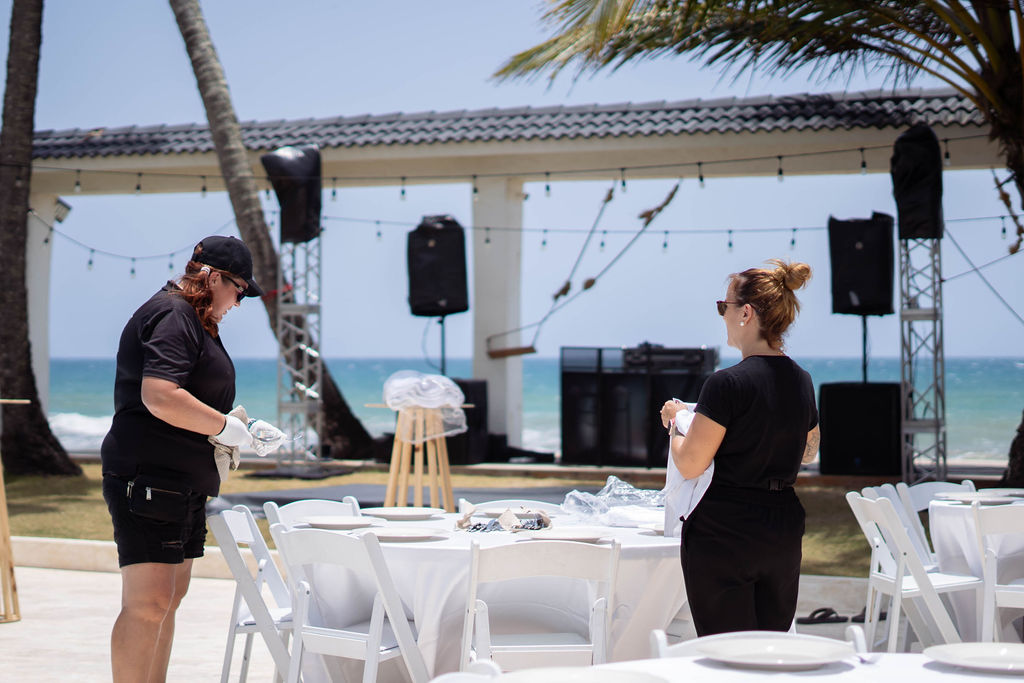
What a full property buyout actually means for a destination wedding — the privacy, the economics, and the questions to ask before you commit.
One of the first vendor recommendations couples ask me for is a photographer. It makes sense. Long after the flowers have wilted and the music has faded, your photographs are what remain.
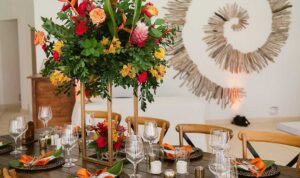
Sustainable destination weddings in the Dominican Republic don’t mean less beautiful. A local planner’s honest guide to zero-waste without compromise.

When is the best time to get married in the Dominican Republic? A local planner’s honest guide to weather, seasons, and what the brochures don’t tell you.

Real numbers from a local planner: what a destination wedding in the Dominican Republic actually costs, what the categories are, and what nobody tells you upfront.